SILVER DEMAND exceeded supply for a fifth consecutive year during 2025, despite lower overall consumption and a decline in industrial use.
The World Silver Survey 2026, released yesterday by the Silver Institute, reported total demand of approximately 1.13 billion ounces, down 2% year-on-year.
Industrial demand declined 3% to 657.4 million ounces after four years of growth. Increased use in artificial intelligence infrastructure, vehicles and electricity grids was outweighed by weaker photovoltaic demand.
Solar manufacturers accelerated efforts to reduce silver use and substitute other materials as competition and raw material costs increased.
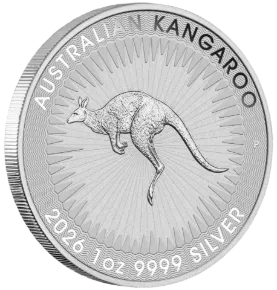
Coin and net bar demand rose 14%, contrasting with declines across several other categories.
Mine production increased 3% to 846.6 million ounces, while recycling rose 2% to 197.6 million ounces.
For 2026, the Institute forecast a further market deficit of approximately 46.3 million ounces, alongside stronger coin and bar buying. These estimates remain forecasts rather than confirmed outcomes.
Understanding a Silver Deficit
A market deficit means annual demand exceeds the supply available from the sources included in the calculation. Existing above-ground stocks help bridge the difference.
This does not mean that all silver becomes unavailable or that every retailer experiences a shortage. The location, form and ownership of existing metal influence how readily it can enter the market.
Wholesale silver bars, industrial material and finished investment products are also not interchangeable without processing. A shortage of a particular coin or bar can therefore occur even when metal is available elsewhere.
Industrial Growth and Material Efficiency
Silver’s industrial outlook depends on both the number of products manufactured and the quantity of silver used in each product.
Manufacturers can increase output while reducing the amount of silver required per unit. This process, often called thrifting, means growth in an industry does not always translate into an equivalent increase in metal consumption.
Substitution introduces another consideration, as businesses explore alternative materials where technically and commercially possible.
Investment Demand and Prices
Silver also attracts investment demand through bullion products and financial markets. That demand can respond quickly to changes in sentiment, interest rates and expectations about economic growth.
A supply deficit is therefore one part of the price outlook. Currency movements, investor selling, available inventories and changes in industrial purchasing can all influence prices.
The survey points to continuing pressure on the annual supply-demand balance while highlighting the importance of efficiency improvements and changing investment patterns.
Disclaimer
This publication is for educational purposes only and does not constitute financial advice. It does not take into account any person’s investment objectives, financial situation or needs. Before making an investment decision, consider whether the information is appropriate to your circumstances and seek advice from a licensed financial adviser where necessary. Past performance is not a reliable indicator of future performance.