GOLD DEMAND reached a new high during 2025 as investors increased purchases through exchange-traded funds, bars and coins amid economic and geopolitical uncertainty.
The World Gold Council’s report released yesterday estimated total annual demand, including its OTC and other category, at approximately 5,002 tonnes, worth US$555 billion.
Investment demand reached approximately 2,175 tonnes. Gold-backed exchange-traded funds added 801 tonnes, while bar and coin purchases totalled 1,374 tonnes.
China and India together accounted for more than half of global bar and coin demand, with both markets recording substantial growth.
Central banks purchased an estimated 863 tonnes. Although below the totals exceeding 1,000 tonnes in each of the previous three years, official-sector buying remained an important component of demand.
Higher prices weighed on jewellery consumption, which fell 18%. However, the value of jewellery demand increased 18% to approximately US$172 billion.
The figures reveal different responses to the same market conditions. Investors increased exposure, while jewellery consumers purchased smaller quantities at higher prices.
Investment Demand Takes Different Forms
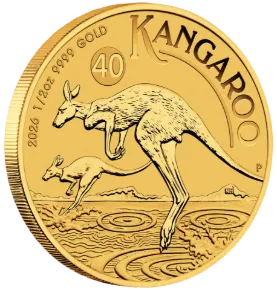
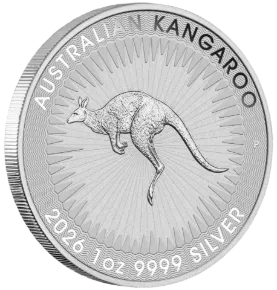
Purchases of physical bars and coins provide direct ownership of bullion. Gold-backed exchange-traded funds offer another route, allowing investors to buy and sell fund units through financial markets.
These products serve different needs and involve different costs. Physical bullion purchases generally include a premium above the international spot price, while investment funds can charge ongoing management fees.
The choice between them also affects practical considerations such as storage, insurance and the process of selling. Neither route removes the possibility of price declines.
Why Price and Demand Value Differ
The value of gold demand depends on both the quantity purchased and the price paid. Spending can therefore rise even when buyers acquire fewer tonnes, as the jewellery figures illustrate.
That distinction matters when comparing reports. Growth in expenditure does not necessarily indicate growth in physical consumption, and a rising gold price does not require every demand category to strengthen simultaneously.
For Australian buyers, currency movements add another variable. Local bullion prices reflect the international US Dollar gold price, the Australian Dollar exchange rate and the premium attached to the particular product.
The latest report establishes a strong investment backdrop entering 2026. Whether that demand continues will depend on changing economic conditions, policy expectations and investors’ willingness to maintain their exposure at higher prices.
Disclaimer
This publication is for educational purposes only and does not constitute financial advice. It does not take into account any person’s investment objectives, financial situation or needs. Before making an investment decision, consider whether the information is appropriate to your circumstances and seek advice from a licensed financial adviser where necessary. Past performance is not a reliable indicator of future performance.