
GOLD DEMAND increased strongly during the third quarter as record estimated central bank purchases and firmer consumer buying offset withdrawals from gold-backed investment funds.
In its report released yesterday, the World Gold Council said global demand, excluding over-the-counter transactions, rose 28% year-on-year to approximately 1,181 tonnes.
Central banks and other official institutions bought an estimated net 399.3 tonnes during the quarter, the largest quarterly total in the Council’s records dating back to 2000.
The purchases lifted estimated net buying for the first nine months of 2022 to 673 tonnes.
The Council’s central bank analysis emphasised that the total included a substantial estimate for unreported purchases. Some institutions disclose reserve changes with a delay, and the figures may be revised as further information becomes available.
Among reported buyers, Turkey added 31 tonnes during the quarter, Uzbekistan purchased 26 tonnes and India added 17 tonnes.
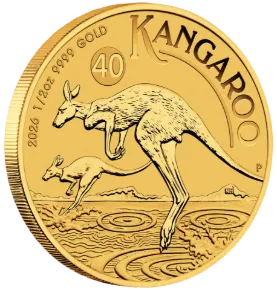
Consumer demand also strengthened. Jewellery consumption increased 10% year-on-year to approximately 523 tonnes, while bar and coin investment rose 36% to 351 tonnes.
However, gold-backed exchange-traded funds recorded outflows of approximately 227 tonnes. Those withdrawals outweighed the increase in bar and coin buying, leaving investment demand, excluding over-the-counter activity, 47% lower year-on-year at 124 tonnes.
The contrasting figures show how different parts of the market responded to inflation and rising interest rates. Physical purchases increased while some fund investors reduced their exposure.
The LBMA Gold Price PM in US Dollars declined approximately 8% during the quarter, with the Council identifying Dollar strength and Federal Reserve rate increases as major influences.
Stronger physical demand therefore coincided with a weaker Dollar gold price, illustrating that buying in one part of the market does not determine the direction of prices on its own.
Disclaimer
This publication is for educational purposes only and does not constitute financial advice. It does not take into account any person’s investment objectives, financial situation or needs. Before making an investment decision, consider whether the information is appropriate to your circumstances and seek advice from a licensed financial adviser where necessary. Past performance is not a reliable indicator of future performance.