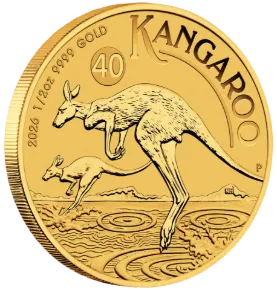
GOLD PRICES have broken above US$2,000 per ounce for the first time, extending a record-setting rally as investors respond to the coronavirus pandemic, exceptionally low interest rates and uncertainty surrounding the global economic recovery.
The milestone follows a strong July, when gold rose approximately 11% in US Dollar terms. By the end of the month, the metal had gained nearly 30% since the beginning of the year, according to the World Gold Council.
Figures released by the Council today show that gold-backed exchange-traded funds added 166 tonnes in July, equivalent to approximately US$9.7 billion. It was the eighth consecutive month of inflows, lifting global holdings to a record 3,785 tonnes.
Inflows for the year to date reached 899 tonnes, already exceeding the previous full-year record of 646 tonnes set in 2009. North American funds accounted for approximately three-quarters of July’s net inflows.
The investment surge contrasts with weaker demand elsewhere in the gold market.
In its report released last week, the World Gold Council said global jewellery demand fell 46% in the first half of 2020 to 572 tonnes. Lockdowns, reduced household incomes and higher gold prices weighed on purchases.
Demand for gold bars and coins also declined globally, falling 17% to 397 tonnes during the first half. Weakness across Asian markets outweighed increased investment demand in Western countries.
These figures show that rising gold prices are occurring alongside sharply different conditions across the market: investment funds are increasing their holdings while many consumers are reducing purchases.
The pandemic has also disrupted supply. Global gold supply fell 6% in the first half of the year, with restrictions affecting both mine production and recycling, according to the Council.
In Australia, the Reserve Bank left its cash rate target unchanged at 0.25% on Tuesday, maintaining the same target for the yield on three-year Australian Government bonds.
The Bank described the economy as experiencing its biggest contraction since the 1930s. Although a recovery was underway across much of the country, the coronavirus outbreak in Victoria was expected to have a significant economic impact.
Under the RBA’s central scenario, Australian output was expected to fall 6% during 2020, with unemployment rising to around 10% later in the year. The Bank stressed that the outlook depended heavily on containment of the virus and that further widespread lockdowns could delay the recovery.
The RBA also indicated that it would maintain its supportive policy settings and would not raise the cash rate until progress had been made towards full employment and inflation was sustainably within its 2–3% target range.
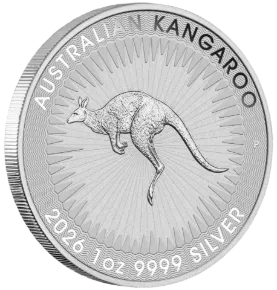
Silver has meanwhile joined the precious metals rally, gaining approximately 34% during July, according to the World Gold Council.
Gold’s move above US$2,000 marks a significant milestone, but the economic backdrop remains unsettled. The RBA’s assessment points to a recovery whose pace will depend on the course of the pandemic, leaving investors to weigh improving activity against the risk of renewed disruption.
Disclaimer
This publication is for educational purposes only and does not constitute financial advice. It does not take into account any person’s investment objectives, financial situation or needs. Before making an investment decision, consider whether the information is appropriate to your circumstances and seek advice from a licensed financial adviser where necessary. Past performance is not a reliable indicator of future performance.